Cat Ears Embroidery Alphabet a, B, C: A Designer's Real-World Review
When I first opened the folder for Cat Ears Embroidery Alphabet a, B, C,, I wasn't just looking at another set of letters. I was immediately struck by the playful mood it sets. As someone who has spent years refining designs for client projects and my own handmade shop, I know that the difference between a design that looks good on a screen and one that stitches beautifully is often in the details. This alphabet brings a distinct personality to the table, blending a whimsical theme with practical application.
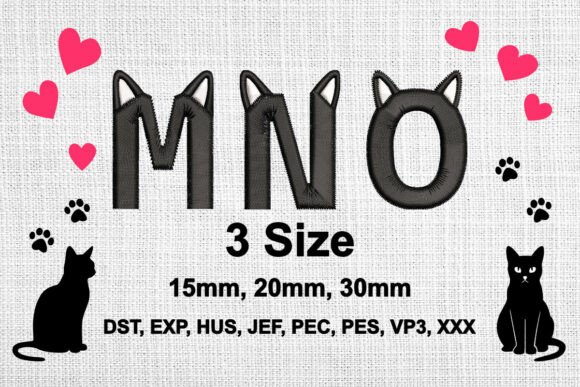
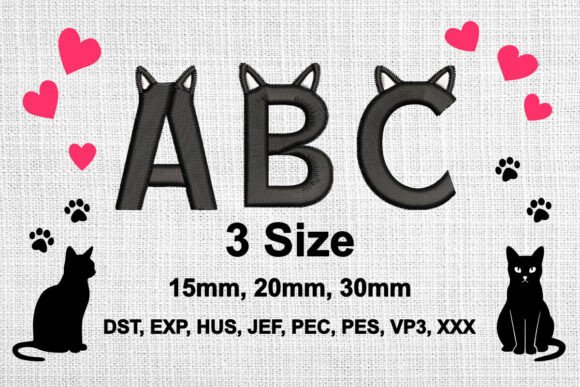
The concept is simple yet effective: each letter from A to C (and presumably the rest of the series) features a cute cat ear motif integrated into the typography. It creates an instant connection with anyone who loves felines, making it perfect for nursery decor, pet-themed apparel, or boutique branding. But does it hold up when transferred from digital files to actual fabric? Let's dive into how this design performs in real-life scenarios.
First Impressions and Visual Personality
The moment you preview the Cat Ears Embroidery Alphabet a, B, C, design, the visual appeal is undeniable. The shapes are clean, and the integration of the ears feels natural rather than forced. For a designer, this balance is crucial. If the decorative elements overwhelm the letterform, legibility suffers. Here, the cat ears act as charming accents that enhance the character of the font without compromising readability.
I imagine this design sitting perfectly on a baby onesie or a custom tote bag. The aesthetic leans towards soft, approachable, and fun, which translates well to products intended for children, pet owners, or craft enthusiasts. The three included sizes—15mm, 20mm, and 30mm—are particularly smart choices. They allow for versatility, letting you use the smaller dimensions for detailed patches or the larger ones for bold statements on sweatshirts. This range ensures the design fits various hoop sizes and project scales without losing its charm.
Real-Life Application: From Screen to Stitch
To truly evaluate a machine embroidery design, you have to put it through a real-world test. I recently considered using Cat Ears Embroidery Alphabet a, B, C, for a custom order: a set of personalized aprons for a local bakery that wanted a "kitchen kitty" theme. The goal was to create a professional look that still felt warm and inviting.
Stitching out the 20mm version on a mid-weight cotton canvas revealed some interesting insights. The design relies heavily on satin stitch for the outlines of the letters and the ears, which gives them a smooth, raised finish. On stable fabric like canvas or twill, the result was crisp. The edges were sharp, and the cat ears stood out nicely against the background. However, I quickly realized that if I had used this on a stretchy jersey knit without proper stabilizer, the tension might have caused puckering around the curved parts of the ears.
This brings me to a critical point for any Etsy seller or small business owner: testing is non-negotiable. Before running a production batch for holiday gifts or boutique merchandise, always stitch a sample on the exact fabric you plan to sell. The stitch density in this design seems balanced, but dense areas can sometimes trap thread or cause issues on thinner materials. I recommend checking the fill stitch coverage to ensure it doesn't feel too stiff on delicate items like tea towels or lightweight pillow covers.
Navigating Challenges and Limitations
No design is perfect for every situation, and being honest about limitations is part of professional design judgment. While Cat Ears Embroidery Alphabet a, B, C, is versatile, there are specific scenarios where caution is required.
- Small Hoops and Tiny Details: The 15mm size is great for small accessories, but if your machine struggles with fine detail resolution, the tips of the cat ears might not render perfectly. Always inspect the smallest details under magnification before committing to a final product.
- Textured and Stretchy Fabrics: On fabrics with a heavy nap or significant stretch, such as fleece or certain synthetics, the design may distort. Using a high-quality cut-away stabilizer is essential here to maintain the integrity of the letterforms.
- Dense Stitch Areas: If you are layering this design over other graphics, be mindful of the bulk created by the satin stitches. Thick layers can sometimes affect the drape of the garment, especially on fitted apparel.
- Dark Fabrics: While the file formats provided (like PES, DST, and JEF) support color changes, ensure you have enough thread contrast. Light-colored threads on dark backgrounds will make the design pop, but you must verify that the underlay stitches are sufficient to hide the fabric color beneath.
Impact on Product Value and Brand Consistency
In the world of handmade goods, presentation is everything. A well-executed embroidered patch or a neatly stitched logo on a cap elevates the perceived value of the item. Cat Ears Embroidery Alphabet a, B, C, offers a cohesive look that helps build brand recognition. When customers see consistent, high-quality stitching across multiple products—from tote bags to baby blankets—they trust the craftsmanship.
For digital product sellers offering mockups, this design is a strong asset. The clean lines translate well into printable previews, allowing buyers to visualize the finished product accurately. Whether you are creating listings for a craft fair or an online store, having a design that communicates joy and creativity can significantly boost buyer engagement. It feels personal, which is exactly what consumers are looking for when they buy personalized gifts.
Practical Designer Notes for Success
If you are ready to incorporate this design into your workflow, keep these technical tips in mind to ensure a flawless outcome:
- Test on Scrap Fabric: Never skip this step. Use scrap pieces of your target material to check thread tension and stabilizer needs.
- Review Thread Colors: Experiment with different thread combinations. High-contrast colors often make the cat ear details stand out more effectively.
- Check File Formats: The package includes multi-format files (EMB, DST, EXP, HUS, JEF, PEC, PES, VP3), which is excellent for compatibility. However, confirm that your specific machine software reads these correctly before starting a large job.
- Inspect Licensing: Before selling finished items or using the design in commercial projects, double-check the license terms. Ensure you have the right to resell products made with this digital embroidery file.
- Mockup Testing: Create black-and-white mockups to assess the shape and silhouette of the design independent of color. This helps in understanding the core structure of the embroidery.
Ultimately, Cat Ears Embroidery Alphabet a, B, C, is a delightful addition to any designer's library. It strikes a balance between fun and functionality, making it suitable for a wide array of projects. From custom apparel and accessories to creative crafts and holiday gifts, this design has the potential to become a staple in your repertoire. With careful execution and attention to the nuances of fabric and stabilization, it can help you produce high-quality, market-ready items that customers will love.