Vintage Rose Valentine Faux Embroidery Review
As someone who has spent years stitching custom pieces for clients and running a small handmade shop, I know that the difference between a design that looks good on a screen and one that stitches beautifully lies in the details. Recently, I came across Vintage Rose Valentine Faux Embroidery, a graphic intended to mimic the look of real thread work. Before adding it to my inventory or using it for a client's special order, I put it through the same rigorous mental checklist I use for every new asset. This review isn't just about aesthetics; it is about practical application, how it translates from a digital file to a physical product, and whether it holds up under the scrutiny of a paying customer.
The First Impression: Mood and Visual Personality
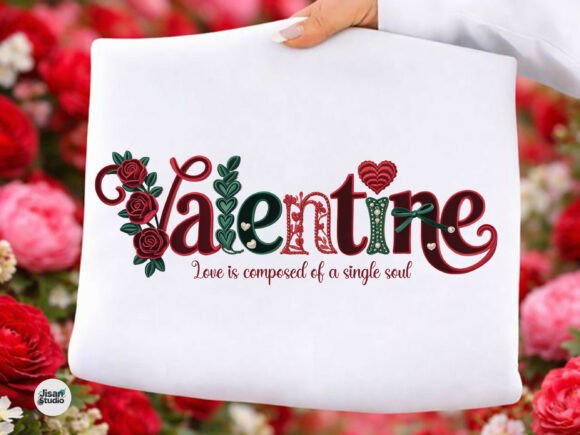
When you first open the file for Vintage Rose Valentine Faux Embroidery, the immediate feeling is one of nostalgic warmth. It captures that specific vintage aesthetic where flowers aren't perfectly symmetrical but have a soft, worn charm. The layout feels balanced, with the rose taking center stage without overwhelming the surrounding space. For a designer looking at this as a potential T-Shirt Designs asset, the visual personality is distinct—it screams "handmade" and "thoughtful," which are two of the most valuable traits in today's market.
The faux embroidery effect is cleverly rendered to suggest depth. It doesn't try to be photorealistic; instead, it leans into the stylized look of traditional machine stitching. This makes it incredibly versatile. Whether you are creating a personalized gift for a grandmother or a trendy item for an Etsy listing, the design carries a sense of care that generic clip art simply cannot match. It feels like a piece that belongs on a well-loved apron or a cozy baby blanket rather than a mass-produced polyester shirt.
Real-World Application: From Screen to Stitch
Let me take you through a scenario I actually faced last week. A local boutique owner asked if I could create a line of embroidered tote bags for a Valentine's Day pop-up event. She wanted something romantic but not overly cutesy. I pulled up Vintage Rose Valentine Faux Embroidery and ran it through various mockups. The result was promising. The design has enough negative space around the edges that it wouldn't get lost when printed on a canvas tote bag, and the lines are thick enough to remain visible even after the fabric texture interacts with the print.
In a real-life setting, this design shines on items that benefit from a rustic or artisanal feel. Imagine it stitched onto a heavy cotton sweatshirt for a holiday gift, or perhaps as a decorative accent on a kitchen towel for a wedding shower. The faux style works particularly well here because it mimics the slightly imperfect nature of hand-stitched work, which adds to the perceived value of the handmade product. If you are an Etsy seller looking to differentiate your small shop product from the sea of generic templates, this design offers a unique character that customers can connect with emotionally.
However, the application depends heavily on your end goal. If you are selling custom apparel like caps or fitted tees, the design needs to be scrutinized for how it wraps around curves. While the flat graphic looks great on a mockup, remember that real embroidery behaves differently on curved surfaces like hats. The density of the faux threads might flatten out too much on a tight curve, losing some of that vintage texture we love.
Where Caution is Required
No design is perfect for every situation, and Vintage Rose Valentine Faux Embroidery has its limitations. As a professional reviewer, I must point out where this asset might struggle. First, consider the hoop size. If you are working with a small hoop on a delicate baby garment, the fine details of the rose petals might get lost or become muddy if the stitch density is too high. Always test the design on scrap fabric before committing to a final production run.
Fabric choice is another critical factor. This design relies on contrast to sell the illusion of thread. On dark fabrics, the light-colored faux stitches need to pop, but if the background fabric is too textured—like a rough linen or a fuzzy fleece—the clarity of the design will suffer. Similarly, on stretchy fabrics like jersey knits, the design needs a stabilizer that prevents puckering. Without proper stabilization, the embroidery project could end up looking distorted, ruining the professional finish you worked hard to achieve.
Another area to watch is the stitch density. Even though this is a graphic, if it is converted to actual machine files, dense fill areas can cause issues. Thick layers of thread can make the fabric stiff and uncomfortable, especially on items that require frequent washing, like baby clothes or dish towels. If the design includes tiny lettering or intricate corners, those elements might not survive the cutting or washing process well. Always inspect small details closely before using them on a commercial product.
Impact on Product Value and Brand Consistency
Using a high-quality asset like Vintage Rose Valentine Faux Embroidery directly influences how customers perceive your brand. In the world of craft business, presentation is everything. A design that looks crisp, intentional, and cohesive builds trust. When a buyer sees a finished product that features this design, they subconsciously associate the quality of the image with the quality of your workmanship. It elevates a simple printable mockup into a premium offering.
For commercial embroidery projects, consistency is key. If you plan to use this design across multiple products—a mug, a pillow cover, and a tote bag—you need to ensure the scale and color palette remain consistent. The vintage mood of the rose should tie the collection together. When done right, this creates a recognizable brand identity that encourages repeat purchases. It transforms a one-time transaction into a lasting relationship with your customer base.
Practical Designer Notes for Success
Before you finalize any project using this design, there are a few technical steps you must take. First, always check the thread colors against your chosen fabric. What looks vibrant on a monitor might appear dull on a specific material. Run a black and white version of the design to ensure the contrast holds up without relying on color alone.
If you are converting this graphic into an actual machine embroidery design, review the stitch types carefully. Does it utilize satin stitch for outlines, fill stitch for the body, and running stitch for delicate details? Understanding the underlying structure helps you anticipate how the design will behave during the stitching process. Make sure you are using the correct stabilizer for your fabric type to prevent shifting or tearing.
Finally, never skip the licensing check. Confirm whether you are allowed to sell finished items made with this digital embroidery file or if it is restricted to personal use. Many designers overlook this until it is too late. Verify the terms for design assets before you start marketing your finished product.
Vintage Rose Valentine Faux Embroidery is a thoughtful addition to any creator's toolkit. It brings a touch of romance and craftsmanship to your projects, provided you respect its limitations and prepare properly. By testing thoroughly and applying sound design judgment, you can turn this graphic into a standout piece that delights your customers and strengthens your brand.